LITTLE DEER Farm
Iowa’s home of EXQUISITE botanicALS, SAFFRON, produce & Local honey
Peonies, Dahlias, Saffron and More
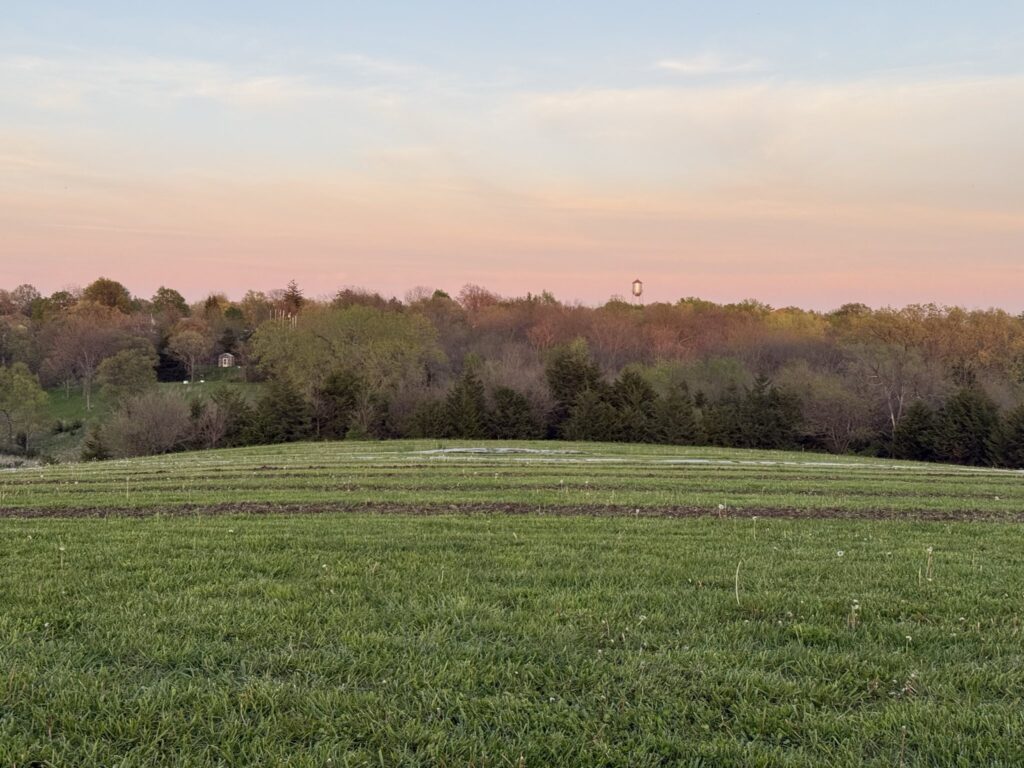
Nestled into the Heartland in New Virginia Iowa. 30 min. south of DSM and 10 min. South-East from Winterset. Schedule you tour today!
PEONIES
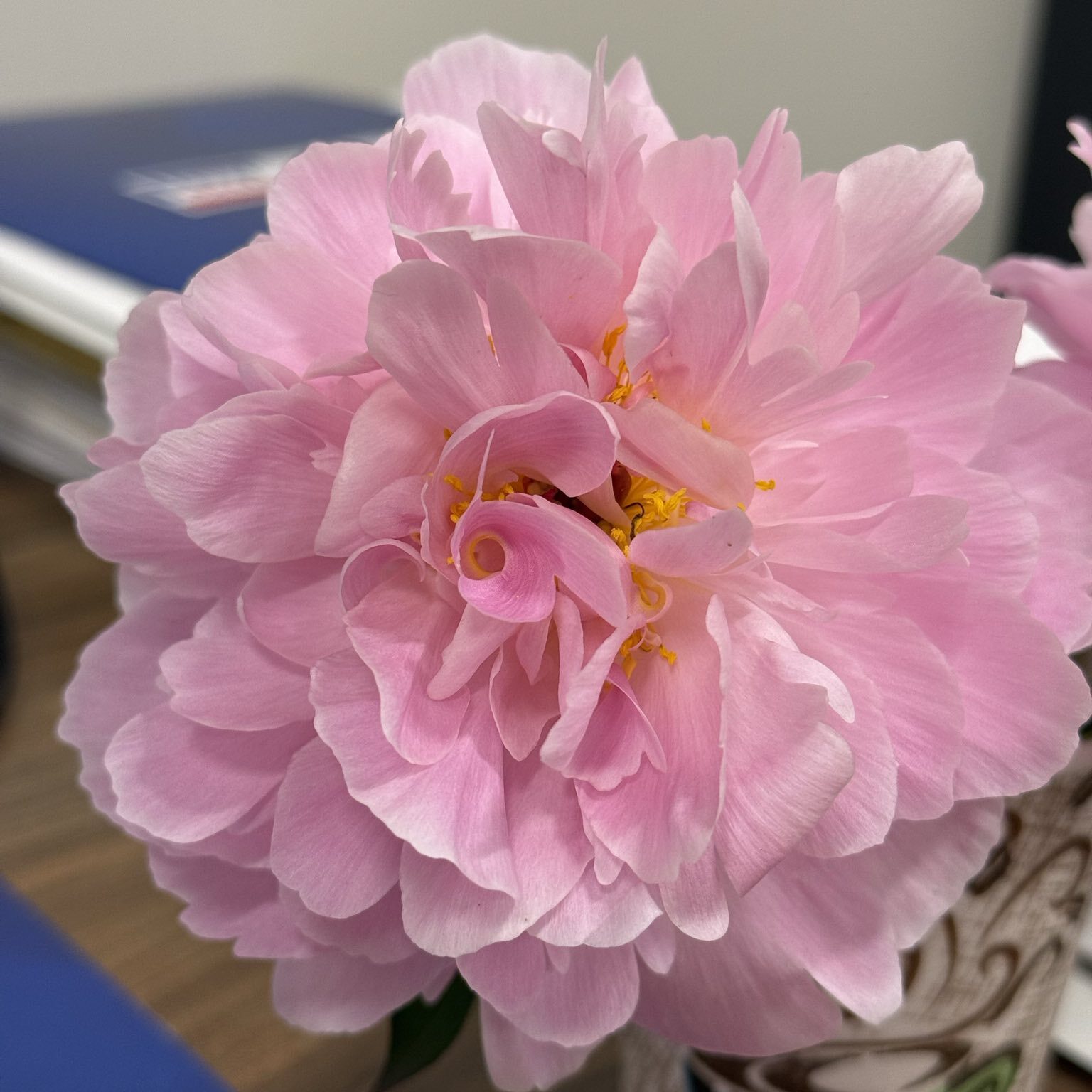
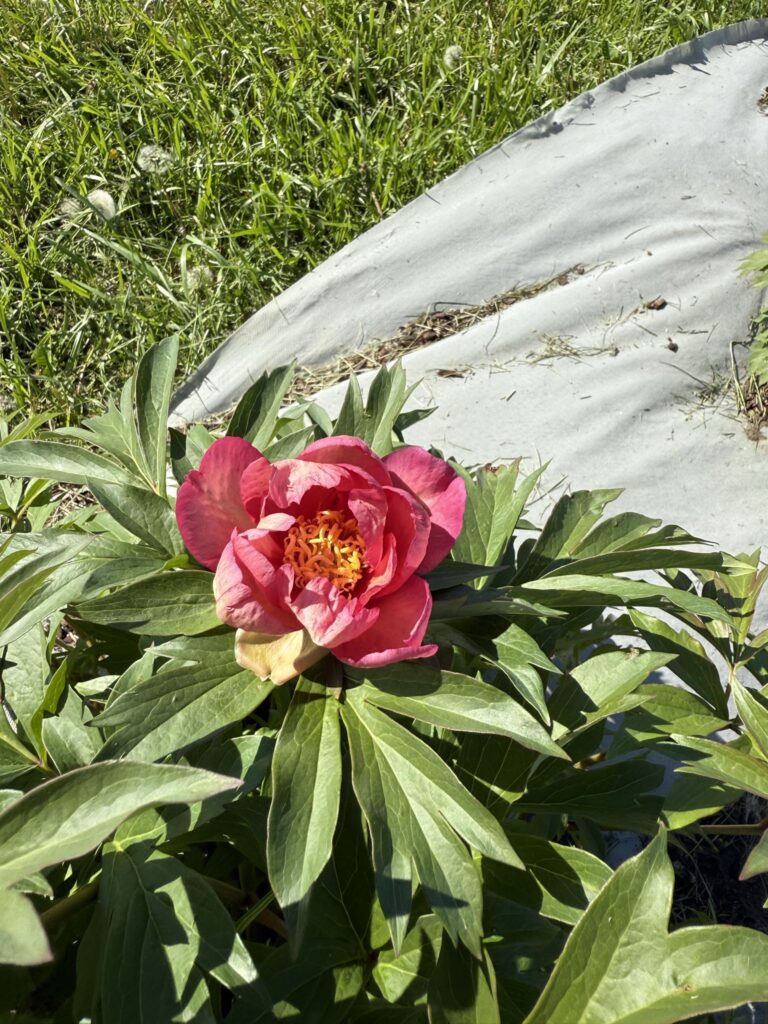
There are more than 6,500 varieties of peonies, with new ones being introduced all the time. The American Peony Society keeps track of them, and each year, it awards its Gold Medal to an outstanding variety. They all fit into three main categories: tree, herbaceous, and itoh (a cross between the other two). Most types are happiest in full sun, but some tree peonies do best in part shade. Peonies usually bloom from late spring to early summer, with early, midseason, and late blooming varieties that allow you to extend the flower show.
CENTURIES OF HISTORY
Peonies are native to Asia, Europe, and Western North America. Early in Chinese history, the peony was considered the national flower (although it’s now officially the plum blossom). The Tang Dynasty of China began breeding peonies in the imperial courts in the 7th century BCE. Their popularity spread to Japan in the early 11th century and France and England in the 18th century. Then, in the late 1800s and early 1900s, they began gaining popularity in the U.S. The peony even became the state flower of Indiana in 1957, replacing the zinnia for the honor.
SYMBOLISM of PEONIES
Aside from their fragrance and wide availability as cut flowers, peonies are a common flower choice among brides, thanks to their symbolism. They represent romance and love and are considered a good omen of a happy marriage. They’re also the traditional flower for 12th wedding anniversaries. Interestingly, during the Victorian Era, peony flowers represented shame and shyness. In China and Japan, they stand for strong and positive virtues, such as bravery, honor, respect, nobility, good fortune, and prosperity.
DAHAILLAS
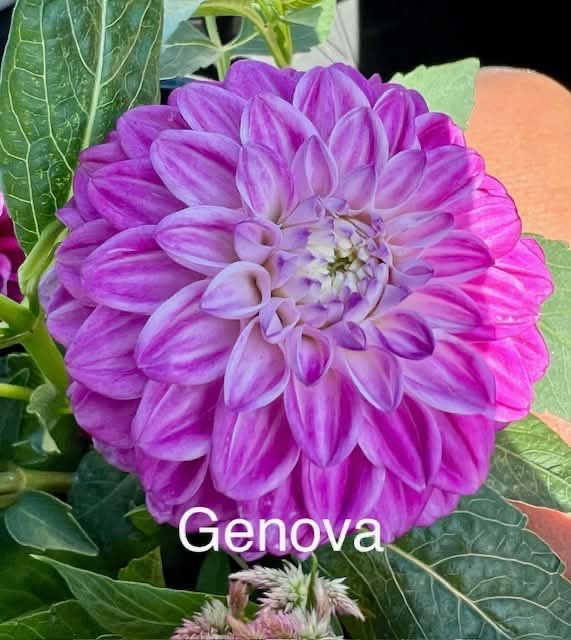
dahlia, (genus Dahlia), genus of about 40 species of flowering plants in the aster family, renown for their attractive flowers. About six of the species in the Dahliagenus have been bred for cultivation as ornamental flowers and are popular in the floral industry and in gardens. The thousands of dahlia cultivars are classed into a variety of types, including single, double, pompon, cactus, waterlily, peony-flowered, and dinnerplate dahlias. Dahlias grow well in most garden soils. They begin flowering late in the summer and continue flowering until interrupted by frost in the autumn.
SAFFRON
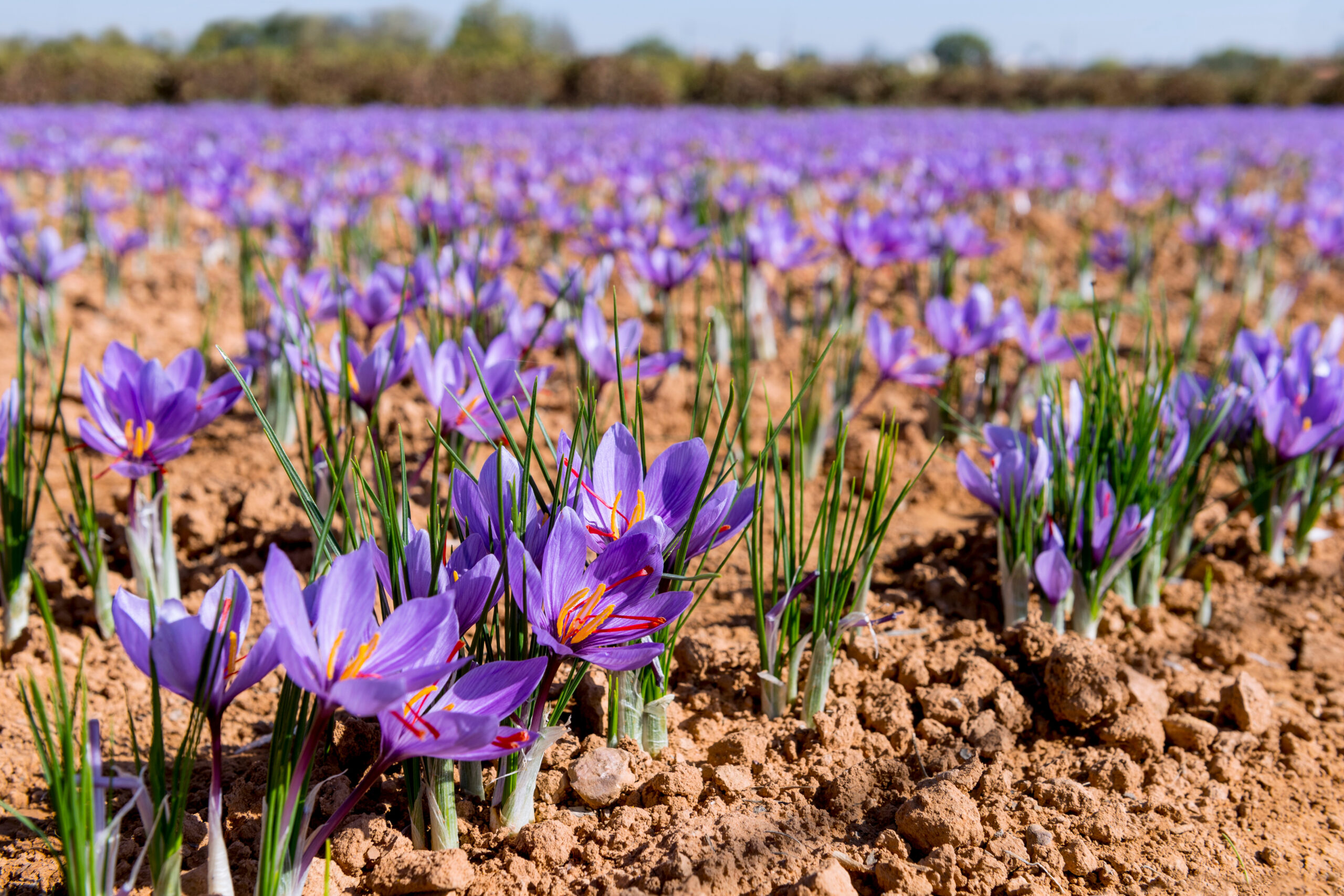
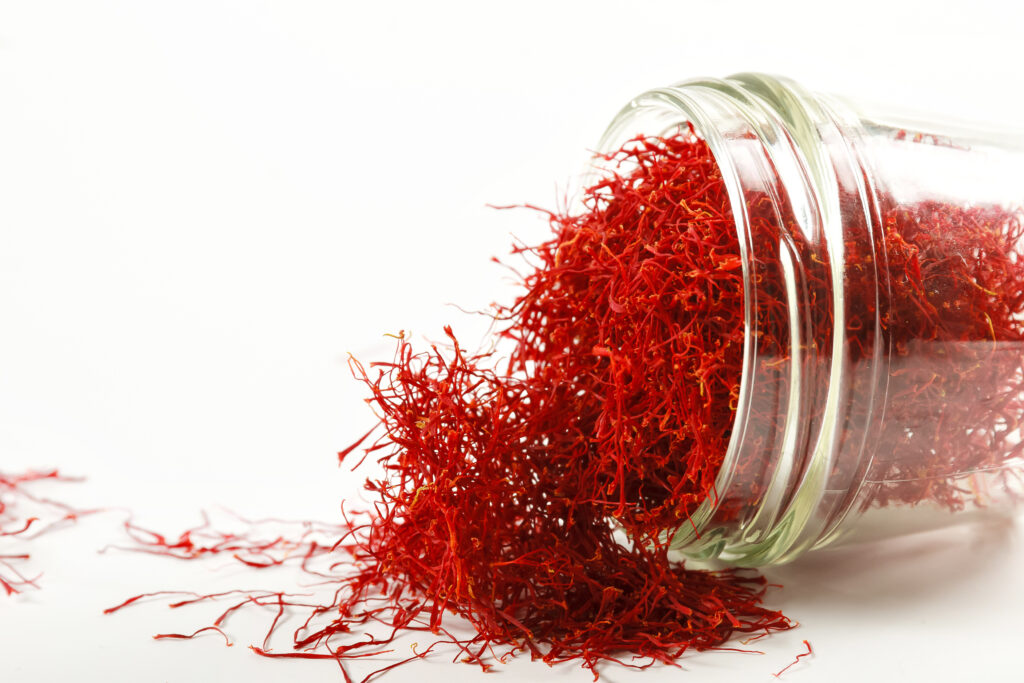
Saffron, often called “red gold,” is the world’s most expensive spice. Its high cost comes from the labor-intensive process of harvesting tiny threads from the crocus flower. Each flower produces just three threads, and it takes around 75,000 flowers to make one pound of saffron! This spice isn’t just about luxury; it has a rich history and numerous uses. From ancient rituals to modern cuisine, saffron has been cherished for its unique flavor, vibrant color, and medicinal properties. Whether you’re a foodie, history buff, or health enthusiast, saffron offers something intriguing for everyone. Let’s dive into 38 fascinating facts about this remarkable spice!